
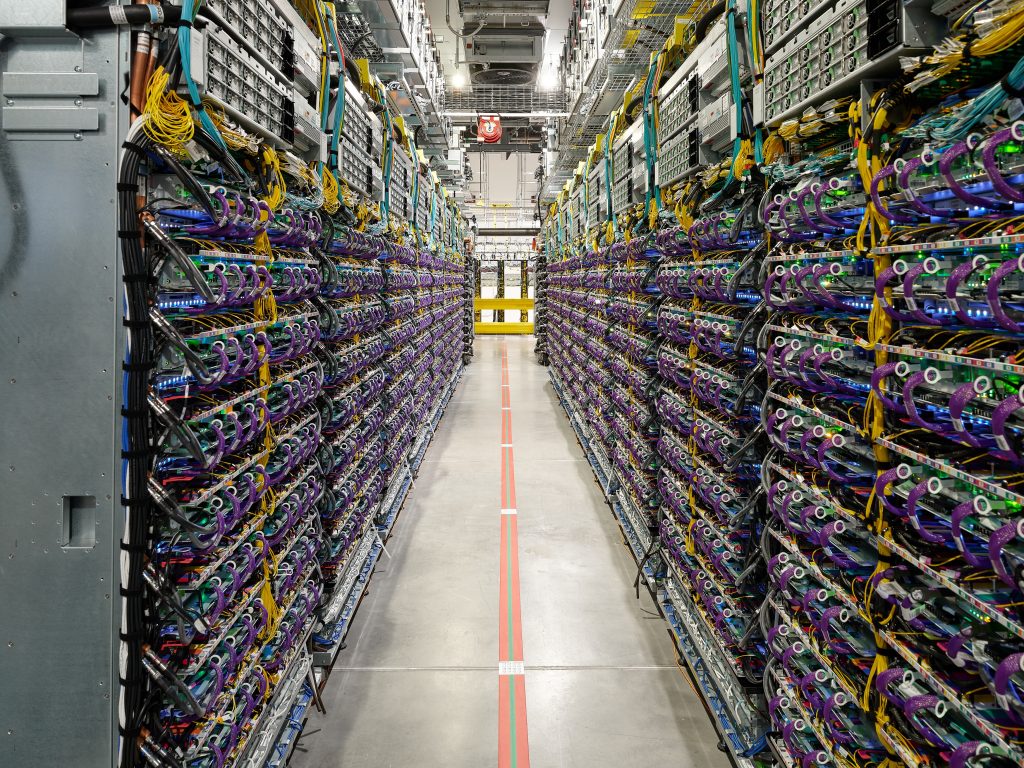
The Northern Territory is rapidly establishing itself as a strategic hub for data centre development and digital infrastructure expansion. Its advantageous geographic location, being 50 ms from over 500 million people, abundant renewable energy resources, and proactive government initiatives have positioned the region as a key player in Australia’s digital future. As demand for cloud computing, high-capacity connectivity, and data storage continues to grow, several major projects are underway to transform the Northern Territory into a vital digital ecosystem.
Suncable Developments
A cornerstone project in this transformation is Suncable. The Suncable project encompasses a large-scale renewable energy development comprising both solar and wind farms situated within the Northern Territory. This initiative aims harness the region’s abundant natural resources to generate clean, sustainable power capable of supporting extensive digital infrastructure, including data centres.
Sun Cable is an ambitious Australian project to build the world’s largest solar farm in the Northern Territory and export its clean power to Southeast Asia (Singapore/Indonesia) via the world’s longest undersea power cable, the Australia-Asia PowerLink (AAPL).
The integration of solar and wind energy sources ensures a reliable and diversified power supply, reducing dependence on traditional fossil fuels. The renewable energy produced by Suncable can be connected directly to major data centre hubs, facilitating a low-carbon footprint for digital operations.
By providing a stable and environmentally friendly energy source, Suncable significantly enhances the sustainability profile of data centres in the region. This support not only aligns with global efforts to reduce greenhouse gas emissions but also offers cost-effective power solutions that can attract international technology companies seeking environmentally responsible hosting options.
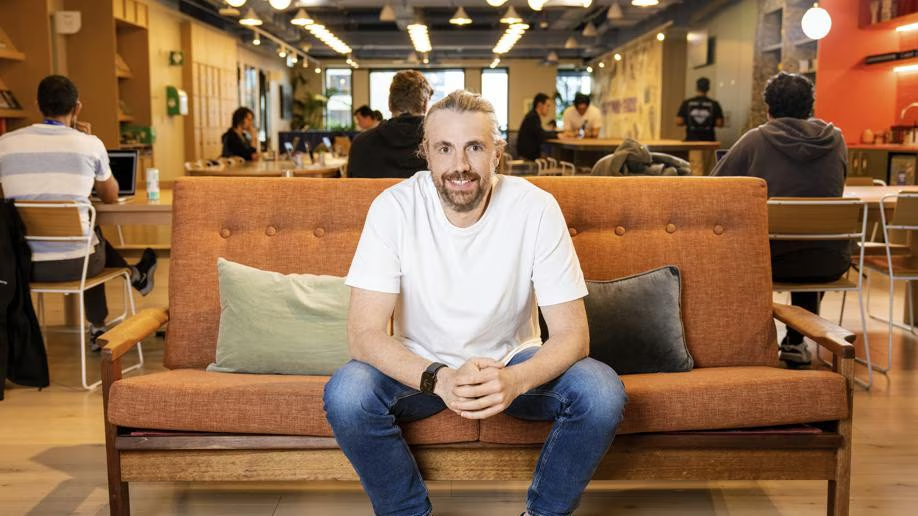
Recently reported, Google is in talks with billionaire Mike Cannon-Brookes’ SunCable for a Northern Territory data centre that would be the tech giant’s largest in the world.
The Australian Newspaper has learned from multiple sources the scale of Google’s involvement in the data centre, which it would use for artificial intelligence deployment and be the biggest in the world for the global tech giant – should the plan come to fruition.
SunCable, owned by Atlassian co-founder Mr Cannon-Brookes, is also in talks with American AI start-up Anthropic, which developed the Claude AI chatbot. Google is an investor in Anthropic, now valued at $US183bn ($277bn) after a Series F funding round in September.
(The Australian Newspaper 19th December 2025)
Furthermore, the project’s capacity to deliver consistent renewable energy contributes to the resilience and operational stability of data centres. As demand for cloud computing, big data processing, AI, and digital services continues to grow, Suncable’s renewable infrastructure positions the Northern Territory as a leading hub for sustainable digital growth in Australia.
Adding to the Suncable Project is the emerging Beetaloo Compute Zone located just south of Daly Waters and to the north of Elliott, the location of the Suncable renewable zone and data centre campus, the BCZ is being designed to harness the immense amount of energy in the Beetaloo Basin. Plans are already underway to create an ecosystem including data centre developments powered by the gas reserves located close by.
By combining the energy developments of the Beetaloo with the wind and solar energy developments at Elliott data centre developers can rely upon a highly dependable energy mix from both locations.
Inligo’s Unite and Asia Connect Cable Systems
In addition to Suncable and the Beetaloo Basin developments, Singapore and Melbourne based Inligo Networks has been delivering the Unite Cable System a low latency, high capacity optical fibre network connecting Darwin with Australia’s southern capital cities. The Unite system will connect both the Beetaloo and Elliott developments as it spans the entire length of the country.
The Unite cable system is designed to dramatically improve domestic connectivity across Australia by linking major urban centres, subsea cable landing locations and data centres with regional areas through high-capacity fibre optical links. Being constructed in phases, with development already underway, it will provide enhanced resilience and capacity for local data centres in the Northern Territory.
The availability of high capacity optical fibre networking is critical to the development of data centre projects in the Northern Territory and South Australia.
Additionally, the Asia Connect Cable system will establish a direct link between Australia and key Asian markets, further strengthening international data exchange capabilities. These projects collectively aim to create a comprehensive network infrastructure that supports both regional growth and global connectivity.