
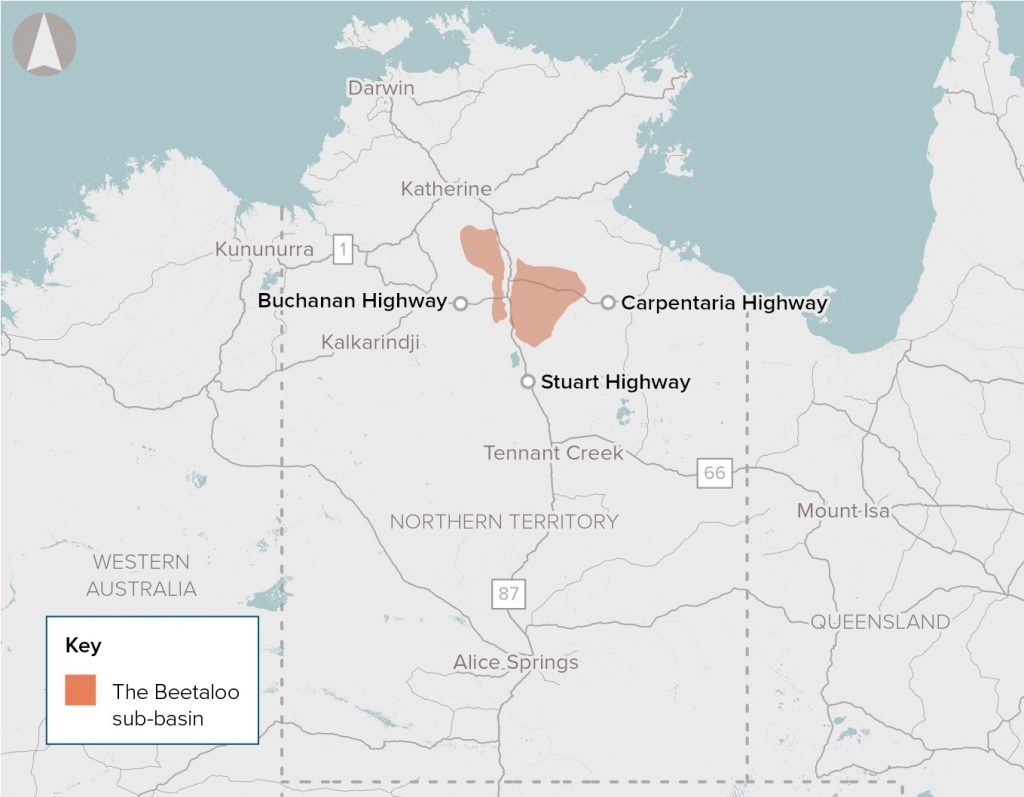
The Beetaloo region of the Northern Territory is rapidly transforming into a hub of technological innovation and sustainable energy production. Central to this development are the establishment of the Beetaloo Compute Zone, the utilisation of the Beetaloo Basin’s extensive gas reserves, and the integration of renewable energy sources such as solar and wind power. To support these initiatives, advanced optical fibre networks being provided by Inligo Networks are essential for ensuring seamless connectivity and operational efficiency.
The Beetaloo Compute Zone
The Beetaloo Compute Zone is designed to serve data processing, scientific research, and technological innovation. Equipped with high-performance computing infrastructure, it aims to attract technology companies, including Data Centre Developments seeking reliable and scalable digital resources. This zone not only fosters local economic growth but also positions the region as a potential leader in data centre development and operation.
The advantages include accelerated innovation cycles, improved industrial productivity, and increased employment opportunities. Moreover, it provides a platform for developing solutions in artificial intelligence (AI), big data analytics, and cloud computing—key drivers of future economic competitiveness.
The Northern Territory Government is beginning to accelerate a leading facilitation role in the development of the Beetaloo Basin and the Beetaloo Compute Zone.
Harnessing Beetaloo Basin Gas Reserves for Energy
Pennsylvania has recently seized the moment. Once synonymous with coal and steel, Pittsburgh is being deliberately rebranded as a computing hub, where abundant shale gas in the Marcellus Basin converges with Carnegie Mellon University’s AI talent and heavy AI and energy investments. A US$20 billion Amazon data centre, a gas-powered one in Homer City and bipartisan political alignment have turned natural gas into a national security asset.
The former Homer City coal power plant site in Pennsylvania is being redeveloped into a massive natural gas-powered data centre campus, which Amazon’s cloud division, Amazon Web Services (AWS), is expected to use. This facility is part of a multi-billion dollar investment in the state to support the growing needs of AI and cloud computing.
What Pennsylvania is doing for America’s AI ambitions, can the Beetaloo Basin do for Australia?
A vital aspect of regional development involves tapping into the vast natural gas reserves within the Beetaloo Basin. These reserves are among Australia’s most promising unconventional gas sources, offering a significant supply of cleaner fossil fuel energy. Utilising this resource can provide a stable power source for the compute zone and other regional energy needs.
Natural gas from the basin supports energy security by reducing dependence on imported fuels while offering a more environmentally friendly alternative to coal or oil. Its deployment can help meet increasing electricity demands efficiently while contributing to lower greenhouse gas emissions compared to traditional fossil fuels.
The way forward for Australia is clear. First, frame the Beetaloo in AI terms and position it as the enabler of sovereign AI capability and digital resilience, not just another gas basin. Second, engage policymakers directly and make the case that Beetaloo’s role in powering AI aligns with national priorities in defence, critical minerals, and northern development. Third, demonstrate with pilot projects: a Beetaloo-based gas-to-computing project, tied into Darwin’s digital infrastructure, could provide proof of concept and attract private and allied investment.
Australian Strategic Policy Institute (APSI)
Integration of Solar and Wind Power
Complementing natural gas, renewable energy sources such as solar and wind power are integral to creating a sustainable energy ecosystem in the region. Solar farms harness abundant sunlight during daytime hours, providing clean electricity with minimal environmental impact. Wind turbines capitalise on regional wind patterns to generate additional renewable power.
The SunCable project, officially known as the Australia-Asia Power Link (AAPowerLink), is a major renewable energy initiative in the Northern Territory centred around a large solar and battery precinct near Elliott. The solar farm will be located on a 12,000-hectare site on Powell Creek Station, approximately 30 km west of the town of Elliott in the Barkly region of the Northern Territory.
This hybrid approach—combining natural gas with solar and wind—creates a balanced and sustainable energy portfolio capable of supporting both current demands and future growth.
The Critical Role of Optical Fibre Networks: Inligo Networks’ Contribution
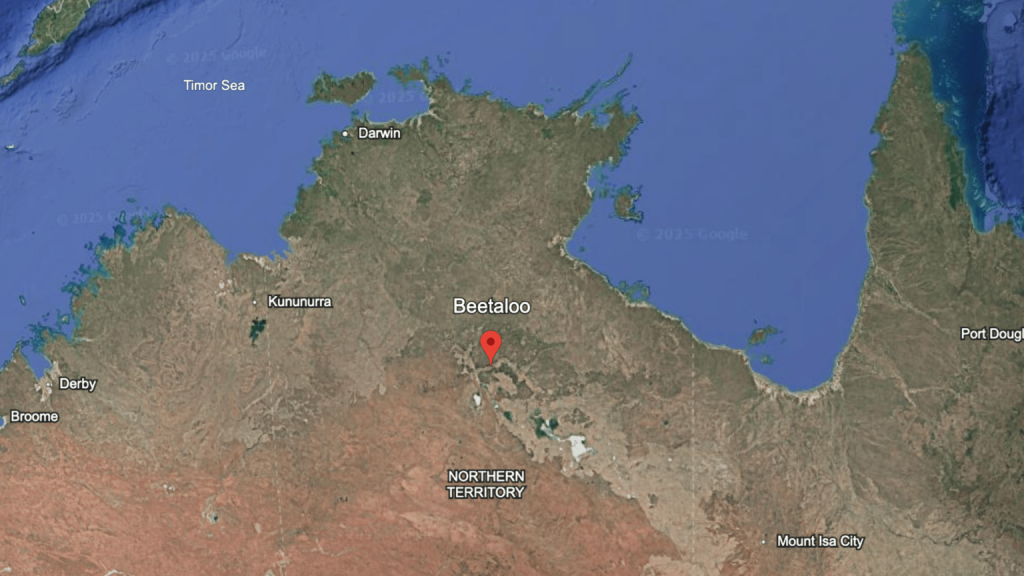
To fully leverage these technological and energy advancements, robust connectivity infrastructure is indispensable. Inligo Networks emphasises the importance of optical fibre networks in providing high-speed, low-latency communication channels essential for modern digital operations.
Optical fibre networks enable rapid data transfer between the compute zone, energy facilities, renewable installations, and external cloud service consumers. They facilitate real-time data analytics, remote monitoring, machine learning applications, and seamless integration across all assets involved in this ecosystem.
This is yet another reason why Inligo is delivering the Unite Cable System between Darwin and Adelaide with connections into Melbourne, Sydney and Canberra.
Given the Beetaloo Basin’s shorter distance to Asia and their 500 million data consumers, when compared to the southern states of Australia, the vital role of International Subsea Fibre Cables connecting through Darwin to the compute zone becomes even more important.
Furthermore, Unite’s scalability ensures that infrastructure can expand alongside regional data growth without compromising performance or reliability. Its resilience against interference guarantees consistent connectivity even under challenging conditions.
The contest for AI dominance is as much about kilowatts as it is about code. In Pittsburgh, the US has began to frame its AI strategy around energy. Australia has the opportunity to do the same, but only if we take decisive action. The Beetaloo Basin can anchor our AI future in our own energy and our own computing capacity.
Australian Strategic Policy Institute (APSI)
The development of the Beetaloo Compute Zone combined with harnessing natural gas reserves and integrating solar and wind power exemplifies a forward-looking approach to NT regional growth. These initiatives promote economic prosperity while emphasising sustainability and environmental responsibility.
Critical to their success is the deployment of advanced optical fibre networks by Inligo—connecting assets efficiently, supporting innovation, and ensuring that the region remains at the forefront of technological progress in a sustainable manner.